01
Stress & emotional wellbeing
Movement, breath, and attention can offer many people a practical pause to feel more grounded.
YOGA · BODY · BRAIN · BEING
Yoga is more than movement: it is a place for breath, attention, rest, meaning, and connection. We stay curious about the science and honour lived experience too.
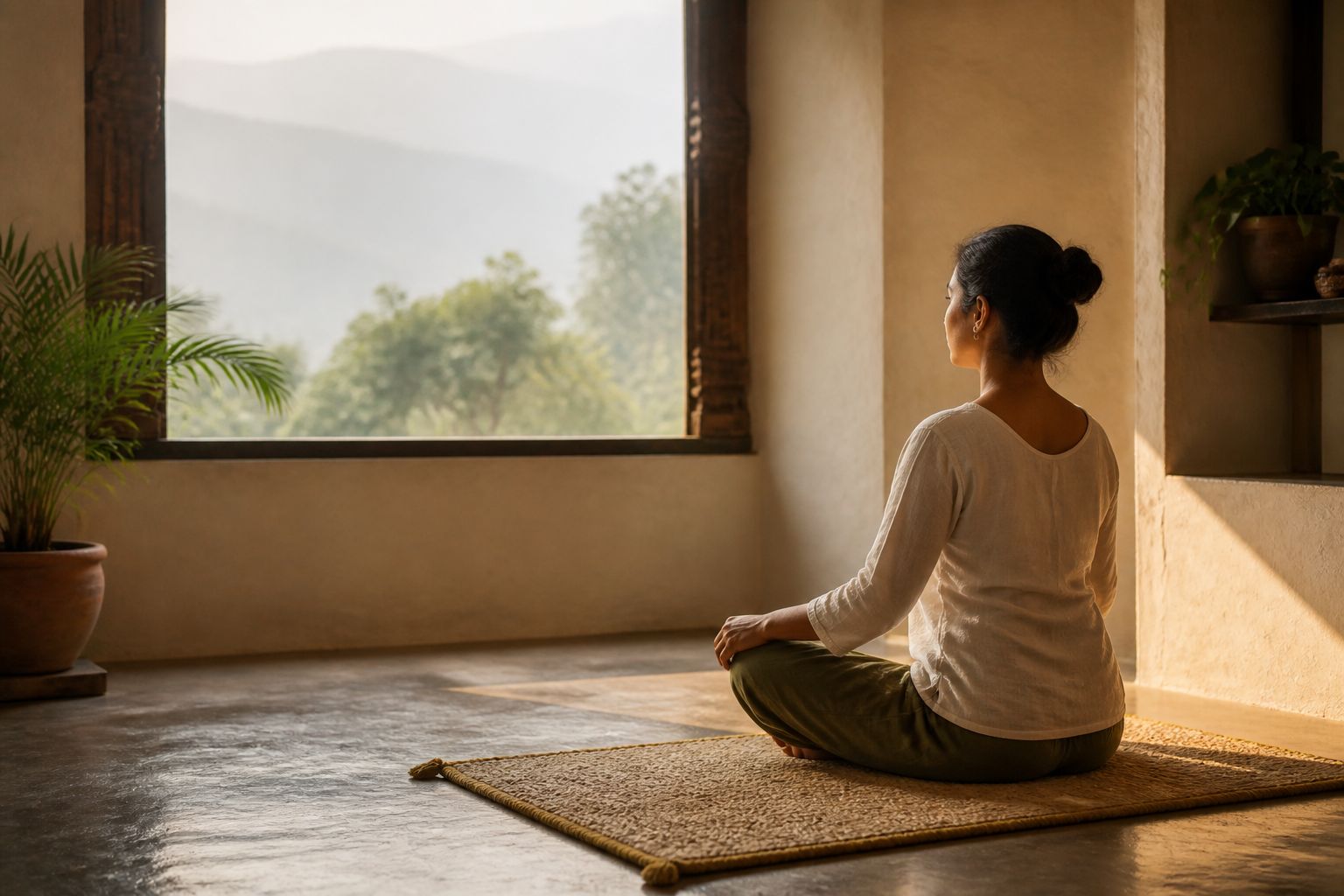
A PRACTICE FOR THE WHOLE HUMAN
Some people arrive for flexibility or strength. Others come for a quieter evening, a steadier breath, or a sense of belonging. Yoga can make room for all these intentions.
01
Movement, breath, and attention can offer many people a practical pause to feel more grounded.
02
Gentle movement and calming practices may support better sleep for some people.
03
Explore strength, balance, and range of motion at a pace that respects your body.
04
For some people, adapted yoga can be one part of a broader plan for chronic low-back pain.
05
Returning attention, coordinating breath with movement, and resting are repeated experiences of learning.
06
For many, yoga is also a personal space for presence, values, compassion, and community.
WHAT RESEARCH SUGGESTS
Research suggests yoga may support stress management, emotional wellbeing, and sleep for some people. Results vary by person, programme, and health context. Yoga may complement—not replace—professional support for anxiety or low mood.
Adapted practice can support an exploration of mobility, strength, and balance. For chronic low-back pain, yoga may offer a small benefit for some people; it is not proven to be better than every other form of exercise. Balance practice can be valuable, but yoga should not be presented as proven fall prevention.
Neuroplasticity is the brain’s capacity to change through experience. Yoga offers repeated experiences of noticing, returning attention, coordinating breath and movement, and resting. Yoga neuroimaging research is promising but still early; it does not show that yoga “rewires” every brain or prevents disease.
PRACTISE WITH AGENCY
The best practice is not the most difficult pose. It is one that is consistent, well taught, and adapted to the person in front of us. Rest and modification belong in the practice.
SPIRIT & CONNECTION
For many people, yoga is a reflective space to explore presence, values, compassion, and connection. You are welcome to engage with this in your own way.
START SAFELY
Tell your teacher about injuries, pregnancy, dizziness, chronic conditions, or other concerns. Consult a qualified clinician before starting or changing exercise when relevant, and seek professional help for persistent pain, sleep problems, or mental-health symptoms.
READ THE SOURCES
We take care with health claims. These sources guide our language and teaching.